
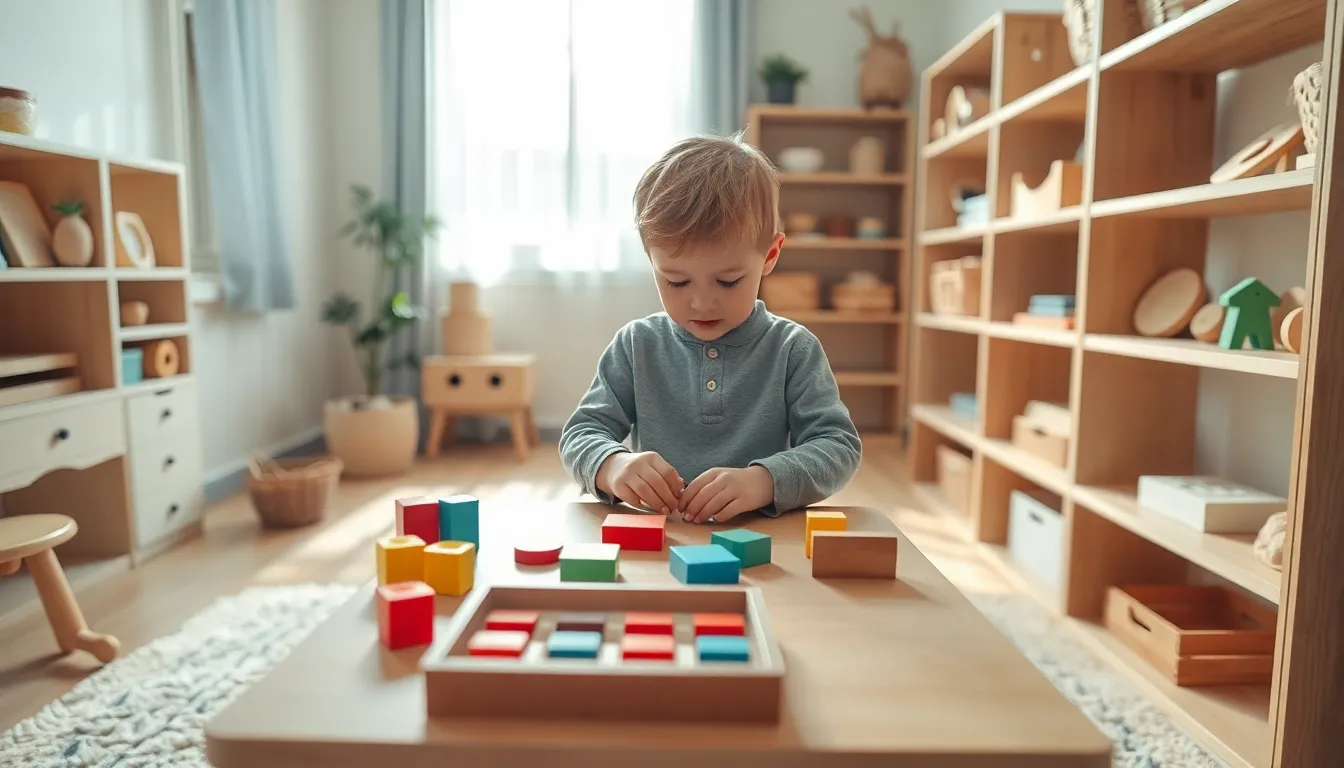
Montessori for beginners can feel overwhelming at first. Parents hear terms like “prepared environment” and “child-led learning” and wonder where to start. The good news? This educational approach is simpler than it sounds. Developed over a century ago by Dr. Maria Montessori, this method focuses on respecting children’s natural curiosity and giving them freedom within structure. Whether someone is considering a Montessori school or wants to bring these ideas home, this guide breaks down the essentials. By the end, readers will understand what Montessori education actually means, and how to put it into practice.
Table of Contents
ToggleKey Takeaways
- Montessori for beginners centers on respecting children’s natural curiosity and allowing them to learn through hands-on, self-directed activities.
- Child-led learning builds intrinsic motivation by letting children choose what they work on and for how long within clear boundaries.
- A prepared environment features accessible, organized spaces with child-sized furniture and materials arranged from simple to complex.
- Parents can apply Montessori at home by placing activities on low shelves, involving children in daily tasks, and following their natural interests.
- Montessori education works best for children who desire autonomy, learn through hands-on experiences, and thrive with freedom to explore at their own pace.
- Starting Montessori doesn’t require perfection—small, consistent changes like limiting interruptions and creating order make a meaningful difference.
What Is the Montessori Method?
The Montessori method is an educational philosophy that treats children as capable, independent learners. Dr. Maria Montessori developed this approach in Rome in 1907 after observing how children learn best through hands-on experience rather than passive instruction.
At its core, Montessori education rejects the traditional classroom model. Instead of a teacher standing at the front lecturing, Montessori classrooms feature mixed-age groups where children choose their own activities. Teachers act as guides rather than instructors.
Montessori for beginners often starts with understanding this shift in perspective. Children aren’t empty vessels waiting to be filled with knowledge. They’re active participants in their own education.
The method covers all areas of development: cognitive, social, emotional, and physical. Children work with specially designed materials that teach concepts through touch and manipulation. A child learning math, for example, might use wooden beads to physically count and group numbers before ever seeing an equation on paper.
Today, over 20,000 Montessori schools operate worldwide. The approach has influenced mainstream education practices, and many parents now apply Montessori principles at home, even if their children attend traditional schools.
Core Principles of Montessori Education
Understanding Montessori for beginners requires knowing the key principles that guide this educational approach. Two stand out as foundational: child-led learning and the prepared environment.
Child-Led Learning
Child-led learning means children choose what they want to work on and for how long. This might sound chaotic, but it works within clear boundaries.
In a Montessori setting, children select activities from available options. A three-year-old might spend 45 minutes sorting colored beads while their classmate practices pouring water between pitchers. Neither child is wrong, both are following their natural interests.
This approach builds intrinsic motivation. When children choose their activities, they engage more deeply. They’re not working to please an adult or earn a reward. They’re learning because they want to.
Child-led learning also respects developmental readiness. A child who isn’t ready to read won’t be forced into phonics drills. Instead, they’ll work on activities that prepare them, like tracing sandpaper letters, until they show interest in reading.
Prepared Environment
The prepared environment is a physical space designed to support independent learning. Every item has a purpose, and children can access everything they need without adult help.
Montessori classrooms feature child-sized furniture, low shelves, and materials arranged in logical order. Art supplies sit in one area. Math materials occupy another. This organization helps children find what they need and return items when finished.
The prepared environment extends beyond organization. Materials progress from simple to complex, allowing children to build skills gradually. A toddler might start with a simple puzzle. Over time, they’ll move to puzzles with more pieces and eventually to abstract problem-solving activities.
For Montessori beginners setting up spaces at home, the prepared environment concept means creating accessible, organized areas where children can work independently. It doesn’t require expensive materials, just thoughtful arrangement.
How to Apply Montessori at Home
Montessori for beginners doesn’t require a complete home renovation. Small changes make a big difference.
Start with accessibility. Place a few toys or activities on low shelves where children can reach them. Rotate items every few weeks to maintain interest. Quality matters more than quantity, five well-chosen activities beat a room full of plastic toys.
Involve children in daily tasks. Montessori emphasizes practical life skills. Let toddlers help with cooking (stirring, washing vegetables), cleaning (child-sized brooms exist for a reason), and self-care (dressing themselves, pouring their own water). These activities build independence and fine motor skills.
Follow the child. Pay attention to what captures their interest. A child fascinated by bugs might enjoy nature walks, magnifying glasses, and picture books about insects. A child who loves music could explore instruments, dancing, or rhythm activities. Montessori education follows children’s natural curiosities.
Limit interruptions. When a child concentrates on an activity, resist the urge to praise or redirect them. Deep focus is valuable. Let them work until they’re finished.
Create order. Everything should have a designated place. This teaches children to clean up after themselves and know where to find what they need.
Parents new to Montessori often worry about getting it “right.” But perfection isn’t the goal. Small, consistent efforts matter more than a picture-perfect setup.
Is Montessori Right for Your Child?
Montessori education suits many children, but it’s not a universal fit. Parents exploring Montessori for beginners should consider their child’s personality and their family’s values.
Montessori works well for children who:
- Show strong independence or desire more autonomy
- Learn best through hands-on activities
- Thrive with freedom to explore at their own pace
- Enjoy working alone or in small groups
Some children prefer more structure or direct instruction. A child who feels anxious without clear directions might initially struggle in a Montessori environment. That said, many children adapt, and learn to appreciate the freedom.
Parents should also consider practical factors. Montessori schools can be expensive, though public Montessori programs exist in some areas. Home-based Montessori requires time and effort to maintain.
The best approach? Visit local Montessori schools if possible. Observe how children interact with the environment. Talk to parents whose children attend. And remember that Montessori principles can supplement any educational setting, even if full Montessori schooling isn’t feasible.
Montessori for beginners is really about a mindset shift: trusting children, respecting their pace, and creating environments that support their growth.