
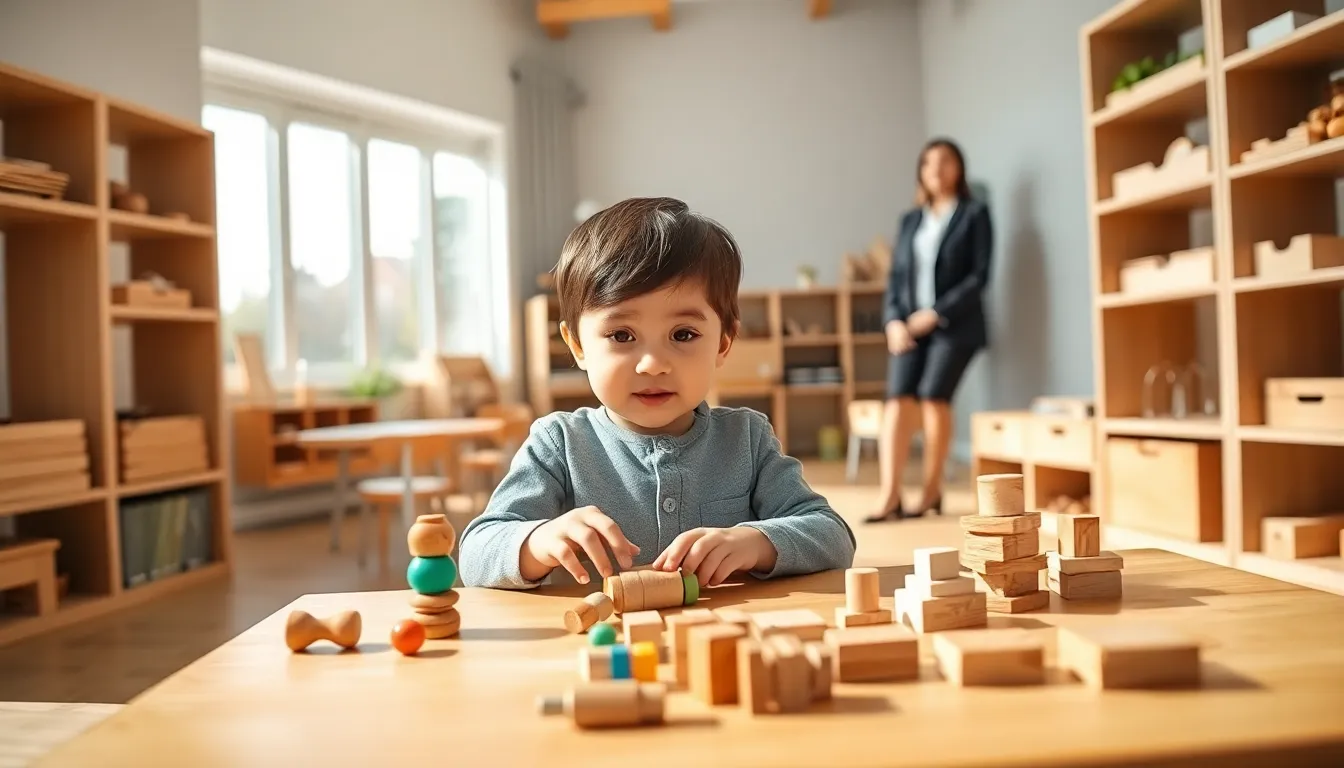
Montessori techniques offer a proven approach to child-centered education that parents and educators can apply anywhere. Developed by Dr. Maria Montessori over a century ago, these methods focus on independence, hands-on learning, and respect for each child’s natural development. Whether someone wants to transform a classroom or simply bring more intentional learning into the home, understanding these techniques provides a clear path forward. This guide breaks down the core principles, practical applications, and real benefits of Montessori methods, no teaching degree required.
Table of Contents
ToggleKey Takeaways
- Montessori techniques center on hands-on learning, child independence, and respecting each child’s natural developmental pace.
- Create accessible spaces at home with child-sized furniture and reachable materials to foster self-reliance without expensive equipment.
- Follow the child’s lead by observing their interests and providing materials that match their curiosity rather than forcing predetermined paths.
- Involve children in real-world tasks like cooking, cleaning, and gardening—Montessori techniques value practical life skills as highly as academics.
- Research shows Montessori methods build stronger executive function, intrinsic motivation, and lasting confidence in children.
- Mixed-age groupings and uninterrupted work periods help children develop cooperation, deep concentration, and natural curiosity.
Core Principles Behind Montessori Methods
Montessori techniques rest on a few foundational ideas that set them apart from traditional education.
Respect for the Child
Montessori education treats children as capable individuals with their own interests and pace of learning. Adults serve as guides rather than lecturers. This shifts the dynamic from “teacher knows best” to “let’s discover what this child needs.”
Hands-On Learning
Abstract concepts become concrete through physical materials. A child learning math doesn’t just memorize facts, they count beads, stack blocks, and physically move objects. This sensory approach helps children internalize knowledge rather than simply repeat it.
Mixed-Age Groupings
Montessori classrooms typically group children across a three-year age span. Younger children learn from older peers, while older children reinforce their knowledge by teaching. This mirrors real-world social structures more closely than same-age classrooms.
Intrinsic Motivation
Rewards and punishments take a backseat. Montessori techniques encourage children to find satisfaction in the work itself. When a child completes a puzzle or masters a new skill, the accomplishment becomes the reward.
Uninterrupted Work Periods
Short attention spans aren’t inevitable, they’re often a response to constant interruption. Montessori environments provide extended blocks of time (often 2-3 hours) for children to choose activities and work at their own pace. This allows deep concentration to develop naturally.
Essential Montessori Techniques for Everyday Use
Putting Montessori techniques into practice doesn’t require a complete lifestyle overhaul. A few key strategies make a significant difference.
Prepared Environment and Materials
The physical space matters. Montessori environments feature child-sized furniture, accessible shelves, and carefully chosen materials. Everything has a designated place, and children can reach what they need without adult help.
Materials follow specific design principles:
- Self-correcting: Many Montessori materials show children their mistakes without adult intervention. A puzzle piece that doesn’t fit teaches spatial reasoning directly.
- One concept at a time: Each material isolates a single skill. This clarity helps children focus without confusion.
- Natural materials: Wood, metal, glass, and fabric engage the senses better than plastic alternatives.
- Real tools: Child-sized pitchers, brooms, and cooking utensils replace toy versions. Children learn practical life skills with actual objects.
Following the Child’s Lead
Observation sits at the heart of Montessori techniques. Adults watch what captures a child’s attention, then provide materials and opportunities that match those interests.
This doesn’t mean children control everything. Adults set boundaries and prepare the environment. But within that structure, children make meaningful choices about what to work on, how long to spend on an activity, and whether to work alone or with others.
A child fascinated by insects might receive magnifying glasses, nature books, and outdoor exploration time. Another drawn to music gets instruments and rhythm activities. Montessori techniques follow energy and curiosity rather than forcing predetermined paths.
How to Implement Montessori Techniques at Home
Parents don’t need expensive materials or formal training to bring Montessori techniques home. Simple changes create meaningful impact.
Create Accessible Spaces
Lower hooks for coats. Step stools at sinks. Snacks on reachable shelves. When children can access what they need independently, they develop confidence and self-reliance. Start with one room and gradually expand.
Involve Children in Real Work
Laundry, cooking, cleaning, and gardening offer rich learning opportunities. A three-year-old can fold washcloths. A five-year-old can chop soft vegetables with supervision. Montessori techniques value practical life skills as highly as academic ones.
Slow Down
Rushed mornings and packed schedules work against Montessori principles. When possible, build in extra time so children can dress themselves, pour their own cereal, and solve small problems without adult takeover.
Rotate Materials
Too many toys overwhelm children. Keep a curated selection available and store the rest. Rotate items every few weeks to maintain interest. Quality beats quantity every time.
Model, Don’t Lecture
When introducing a new skill, demonstrate slowly and silently. Then let the child try. Montessori techniques minimize verbal instruction because watching often teaches more effectively than listening.
Benefits of Using Montessori Techniques
Research and decades of practice support the effectiveness of Montessori techniques across multiple domains.
Independence and Confidence
Children who practice Montessori methods learn to trust their own abilities. They make decisions, solve problems, and manage daily tasks earlier than many peers. This self-reliance extends well beyond childhood.
Stronger Executive Function
Studies show Montessori students often demonstrate better self-regulation, planning, and flexible thinking. The freedom to choose activities within structure builds these critical skills.
Love of Learning
Without grades and external rewards, children maintain their natural curiosity. They learn because discovery feels good, not because someone tells them to. This intrinsic motivation often lasts a lifetime.
Social Development
Mixed-age environments teach cooperation, empathy, and leadership. Children practice conflict resolution and learn to work alongside others with different abilities and interests.
Academic Achievement
Even though less emphasis on traditional instruction, Montessori students frequently perform well on standardized measures. More importantly, they often show deeper understanding and better retention of concepts.
Montessori techniques work because they align with how children naturally learn. They build on curiosity rather than fighting against it.