
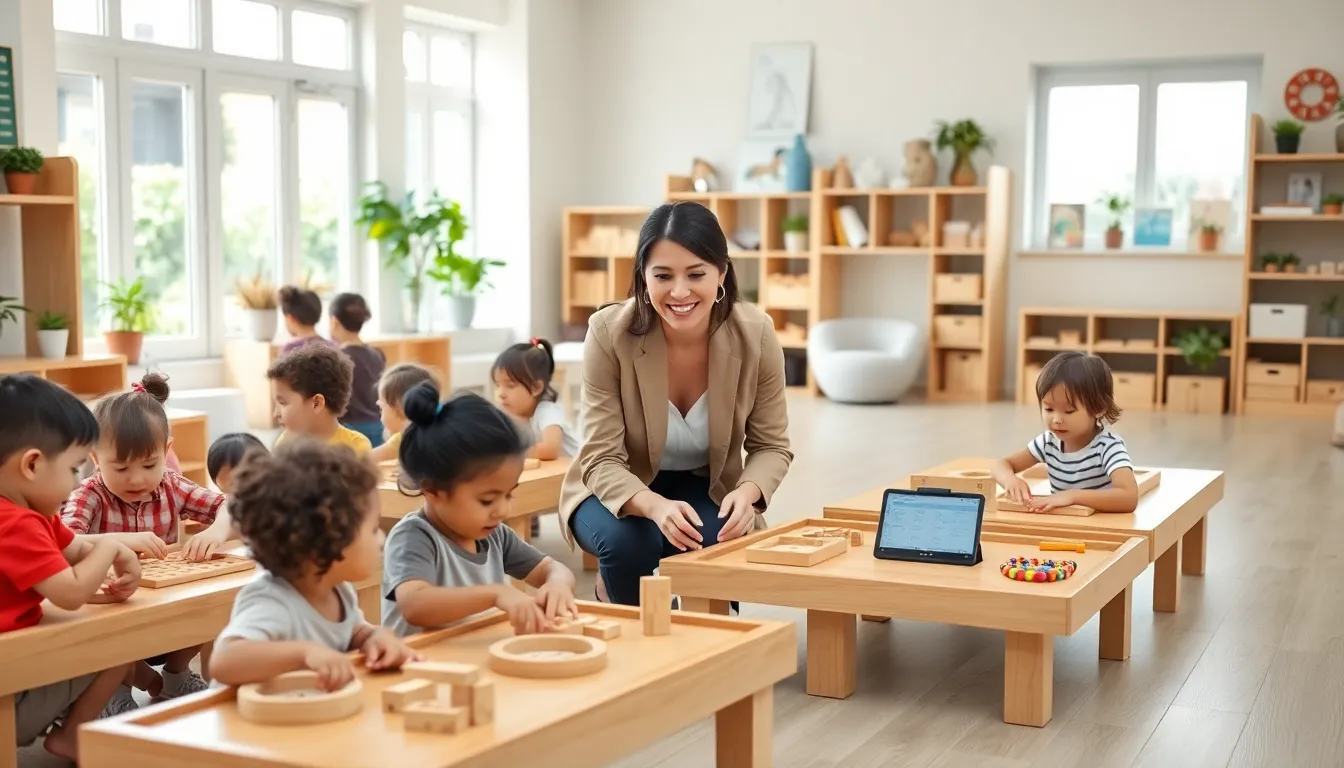
Montessori trends 2026 are shaping how educators and parents approach early childhood learning. The Montessori method, developed over a century ago, continues to evolve with modern demands. Schools worldwide are adopting new practices while staying true to core principles like child-led learning and hands-on exploration. This year brings fresh developments in technology use, outdoor education, and public school expansion. Parents seeking quality education options will find these Montessori trends 2026 particularly relevant. Here’s what to expect as the method adapts to meet the needs of today’s learners.
Table of Contents
ToggleKey Takeaways
- Montessori trends 2026 highlight a growing demand for authentic, accredited programs with certified teachers and proper materials.
- Schools are adopting a balanced approach to technology, introducing coding through physical materials before screens to honor hands-on learning.
- Outdoor and nature-based Montessori education is expanding rapidly, with forest schools and garden-based programs improving child wellness and attention.
- Public Montessori programs are growing across the U.S., making this proven educational method accessible to more diverse communities.
- Social-emotional learning and inclusivity are taking center stage, with schools adding peace corners, conflict resolution lessons, and anti-bias training.
- Parents should research accreditation from organizations like AMS and AMI to ensure they choose a quality Montessori program.
Growing Demand for Authentic Montessori Programs
The demand for authentic Montessori programs has surged dramatically. Parents want more than a school that simply uses the Montessori name. They seek certified programs with trained teachers and proper materials.
This shift stems from increased awareness about educational quality. Research shows that children in genuine Montessori settings develop stronger executive function skills. They also demonstrate better reading and math abilities compared to peers in conventional classrooms.
Accreditation matters more than ever. Organizations like the American Montessori Society (AMS) and Association Montessori Internationale (AMI) provide certification standards. Parents now actively check these credentials before enrollment.
Montessori trends 2026 reveal that schools are responding to this demand. Many programs are investing in teacher training and classroom materials. Some schools are redesigning spaces to meet authentic Montessori requirements.
The waiting lists at established Montessori schools have grown longer. New programs are opening to meet the need, though quality remains variable. Smart parents research thoroughly before committing to any program.
This authenticity movement benefits children most. When schools follow true Montessori principles, students gain independence, concentration, and a genuine love of learning. The trend toward authenticity will likely continue well beyond 2026.
Technology Integration in the Montessori Classroom
Technology in Montessori classrooms remains a hot debate. Traditional Montessori philosophy emphasizes hands-on, sensory experiences. Yet modern children live in a digital world.
Montessori trends 2026 show a balanced approach emerging. Schools are finding ways to incorporate technology without abandoning core principles. The key lies in purposeful, limited use.
Many programs now introduce coding concepts through physical materials first. Children learn sequencing and logic with tangible objects before touching a screen. This approach honors Montessori’s emphasis on concrete learning.
Some schools use tablets for specific purposes like research projects. Students in upper elementary may access digital resources for independent study. Teachers carefully select apps that promote creation over passive consumption.
The debate continues about screen time limits. Most Montessori educators agree that technology should supplement, never replace, hands-on materials. A child still needs to pour water, build with blocks, and write with a pencil.
Montessori trends 2026 suggest that schools will develop clearer technology policies. Parents can expect more transparency about when and how devices are used. The goal remains helping children become thoughtful technology users rather than dependent consumers.
This balanced integration prepares students for a digital future while preserving what makes Montessori education effective.
Emphasis on Outdoor and Nature-Based Learning
Outdoor learning has become central to Montessori trends 2026. Maria Montessori herself valued nature as a teacher. Modern programs are finally giving outdoor spaces the attention they deserve.
Forest schools and nature-based Montessori programs are multiplying rapidly. These schools conduct significant portions of their day outside. Children explore woods, tend gardens, and observe wildlife throughout the seasons.
Research supports this emphasis on outdoor time. Studies link nature exposure to reduced anxiety, improved attention, and better physical health. Children who spend time outdoors develop stronger immune systems and better motor skills.
Schools are redesigning their grounds to support nature-based learning. Gardens, mud kitchens, and natural play areas replace plastic equipment. Some programs add chicken coops, beehives, or ponds for observation.
Montessori trends 2026 also show increased focus on environmental education. Children learn about sustainability, composting, and caring for the earth. These lessons connect to practical life skills already central to Montessori education.
Urban schools face challenges in providing nature access. Creative solutions include rooftop gardens, regular park visits, and partnerships with nature centers. Even small outdoor spaces can support meaningful learning when thoughtfully designed.
The push toward outdoor Montessori education reflects broader concerns about childhood wellness. Parents want their children to run, dig, and explore. Schools are listening.
Expansion of Montessori Into Public Education
Public Montessori programs are growing across the United States. This expansion represents one of the most significant Montessori trends 2026 has produced.
Over 500 public Montessori schools currently operate in the U.S. That number continues to climb as districts recognize the method’s effectiveness. Public options make Montessori accessible to families who cannot afford private tuition.
Charter schools have led much of this growth. They offer more flexibility in curriculum and can carry out Montessori methods fully. Some districts have also converted traditional public schools to Montessori programs.
Challenges remain in public Montessori implementation. State testing requirements sometimes conflict with Montessori philosophy. Teacher certification standards vary, and materials cost more than conventional classroom supplies.
Montessori trends 2026 indicate that advocacy efforts are strengthening. Parent groups push for more public options. Educators work with policymakers to address regulatory barriers.
The equity implications of this expansion are significant. When Montessori education was only available privately, it excluded many families. Public programs bring this approach to diverse communities.
Quality control becomes important as programs multiply. Not every public Montessori school maintains authentic practices. Parents should evaluate individual programs carefully, regardless of public or private status.
The trend toward public Montessori education democratizes access to a proven educational approach.
Focus on Social-Emotional Development and Inclusivity
Social-emotional learning has always been part of Montessori education. But Montessori trends 2026 show heightened attention to this area. Schools are becoming more intentional about teaching emotional skills.
The multi-age classroom naturally supports social development. Older children mentor younger ones. Younger children observe and learn from their peers. This structure teaches empathy, patience, and leadership.
Programs are adding specific tools for emotional learning. Peace corners provide spaces for calming down. Conflict resolution lessons teach children to solve problems independently. Grace and courtesy activities help students practice social skills.
Inclusivity has also become a priority. Montessori schools are working to serve children with diverse needs and backgrounds. Many programs now employ specialists who support students with learning differences.
Montessori trends 2026 reflect broader awareness of mental health. Children today face significant stressors. Schools recognize their role in building emotional resilience and coping skills.
Cultural diversity receives more attention as well. Classroom materials represent various cultures and family structures. Teachers receive training on anti-bias education and inclusive practices.
Parents increasingly seek schools that address the whole child. Academic skills matter, but so do kindness, self-regulation, and social competence. Montessori education’s emphasis on character development aligns well with these priorities.
The focus on social-emotional growth and inclusivity strengthens Montessori’s relevance for modern families.